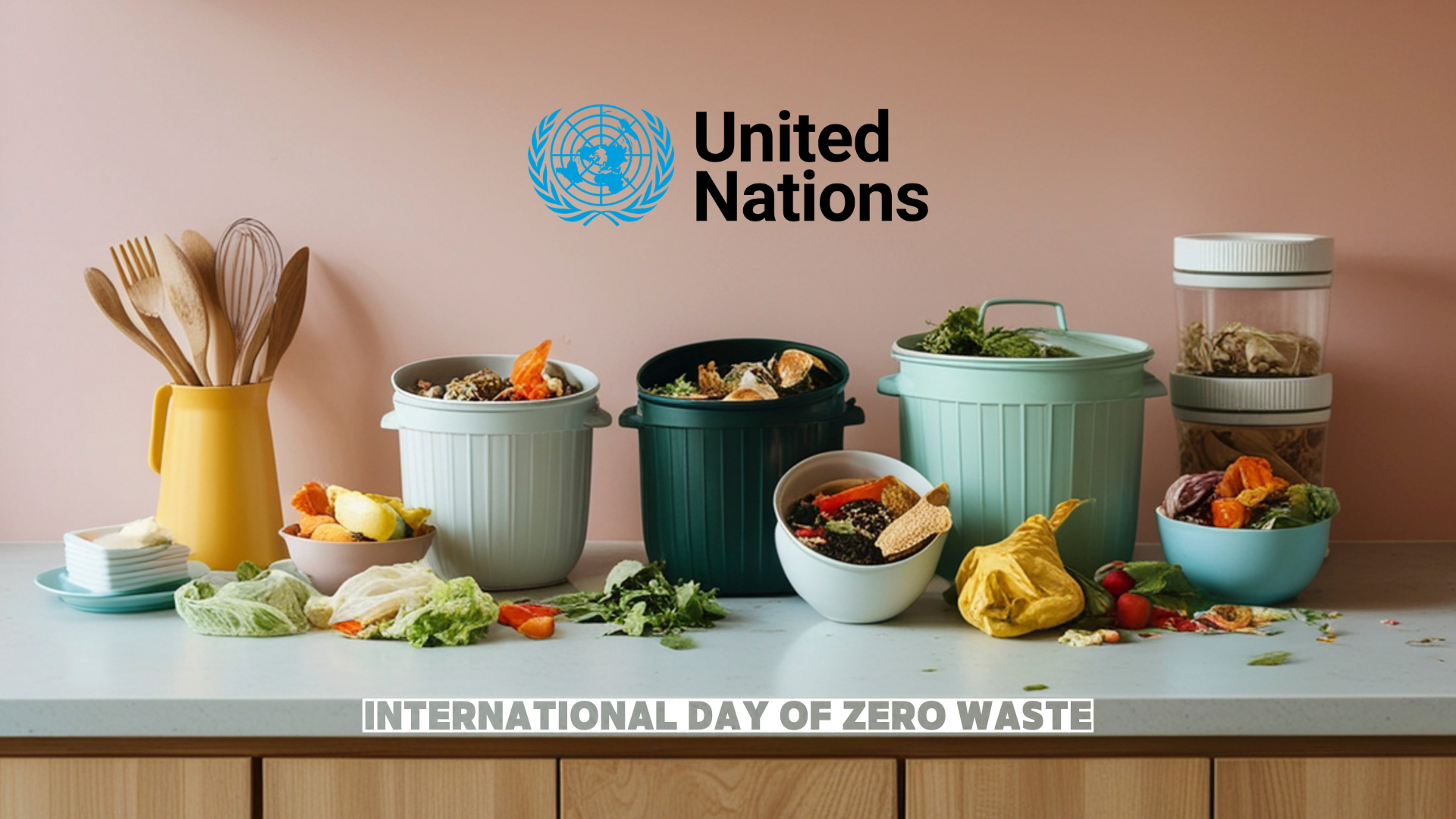
On the occasion of this year’s International Day of Zero Waste, CIRCLE aligns with the United Nations in highlighting the urgent need to address food waste as a key component of the circular economy transition.
Globally, approximately 1 billion tonnes of edible food are wasted every year—nearly one-fifth of all food available to consumers. This has significant environmental, economic, and social consequences.
An estimated 60% of food waste occurs at the household level, with the remainder stemming from food service and retail sectors. These losses reflect inefficiencies across food systems, from production and distribution to consumption. Addressing this challenge requires a systemic shift toward circular, resource-efficient models that enhance resilience and sustainability.
Achieving this transition demands coordinated action across all stakeholders:
- Governments can integrate food waste prevention into climate, biodiversity, and circular economy strategies, strengthen monitoring frameworks, and foster public–private partnerships.
- Businesses play a critical role by setting measurable reduction targets, innovating across supply chains, and scaling circular solutions.
- Consumers can contribute through mindful consumption, reducing waste at home, and supporting redistribution and composting initiatives.
A zero-waste future is within reach—but only through collective effort. By rethinking how we produce, consume, and value food, we can accelerate the transition toward truly circular food systems.